Headshot of Emily Sherman

Emily Sherman

Architect

Originally from San Diego, Emily began her architecture career at the University of Colorado, Boulder, graduating with a Bachelor Degree of Environmental Design with a focus in architecture, magna cum laude with high distinction. She received her Master of Architecture at UCLA graduating with distinction. During her studies, she became passionate about understanding our ‘nature’ and how we choose to inhabit our world.

In her studies, Emily completed a thesis project on how architects can shift their focus from mitigating the impacts of climate change toward adapting design practices to changing climate. At UCLA, Emily continued this line of inquiry, imagining climate adaptations at the residential scale for various micro-climates across Los Angeles in the year 2050.

When not in the office Emily enjoys spending time outside hiking, camping, running, and more recently, gardening. She also likes to plan trips back to San Diego for the exceptional Mexican food (and to see friends and family).
How does your approach to design reflect what you value—about place, people, and the environment?

My approach to design starts with the specificity of place, especially climate, architecture that works with its surroundings rather than against, a kind of symbiosis. I’m interested in obscuring the divide between people and nature, creating environments that feel embedded in the world around us. I like to focus on creating intimate moments between people and their surroundings: where a window frames a single tree or moment, or light drifting across a wall, quiet sensory experiences that make you feel present and deeply connected.

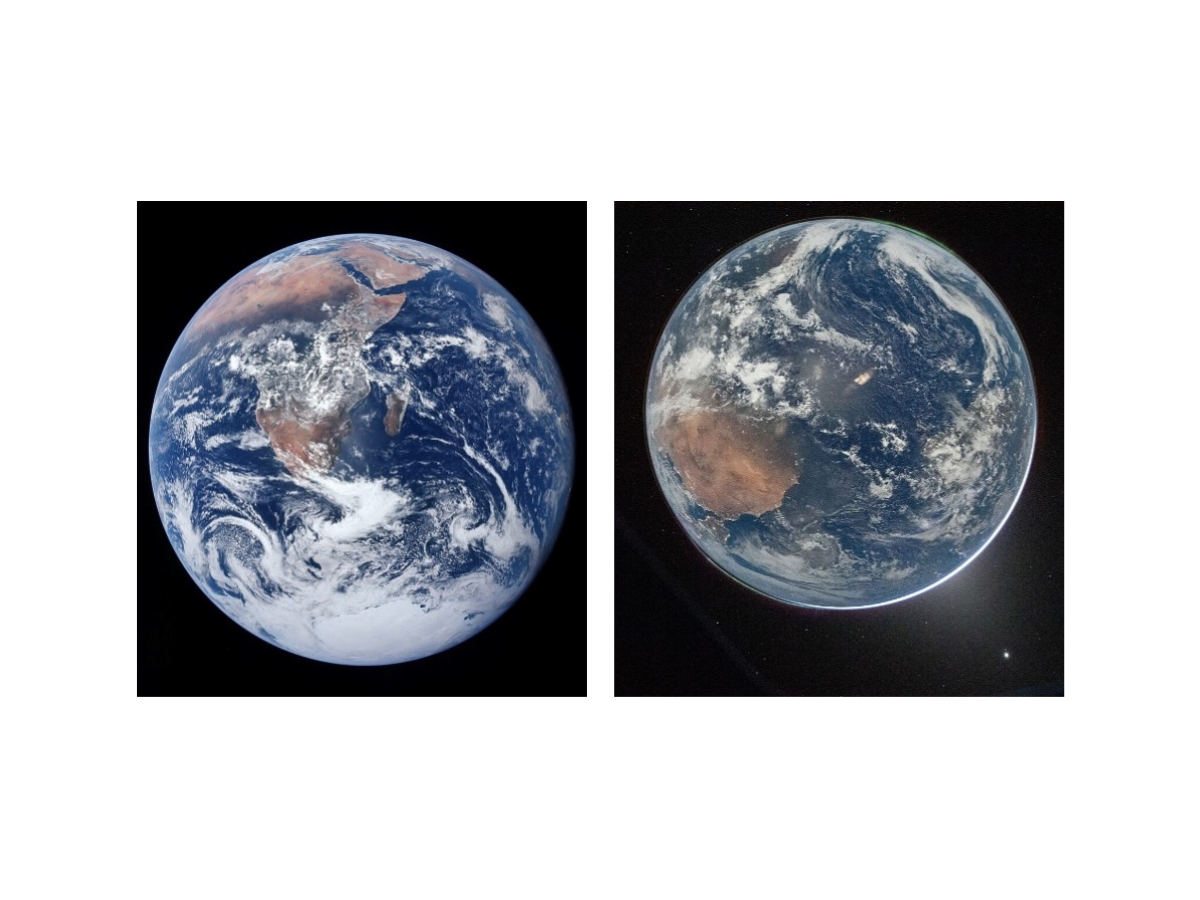
(L) Blue Marble Image Taken 1972 and (R) Hello World taken in 2026. Seeing Earth as a shared, finite system helps to frame architecture as an act of stewardship, where each intervention participates in a larger, interconnected whole.
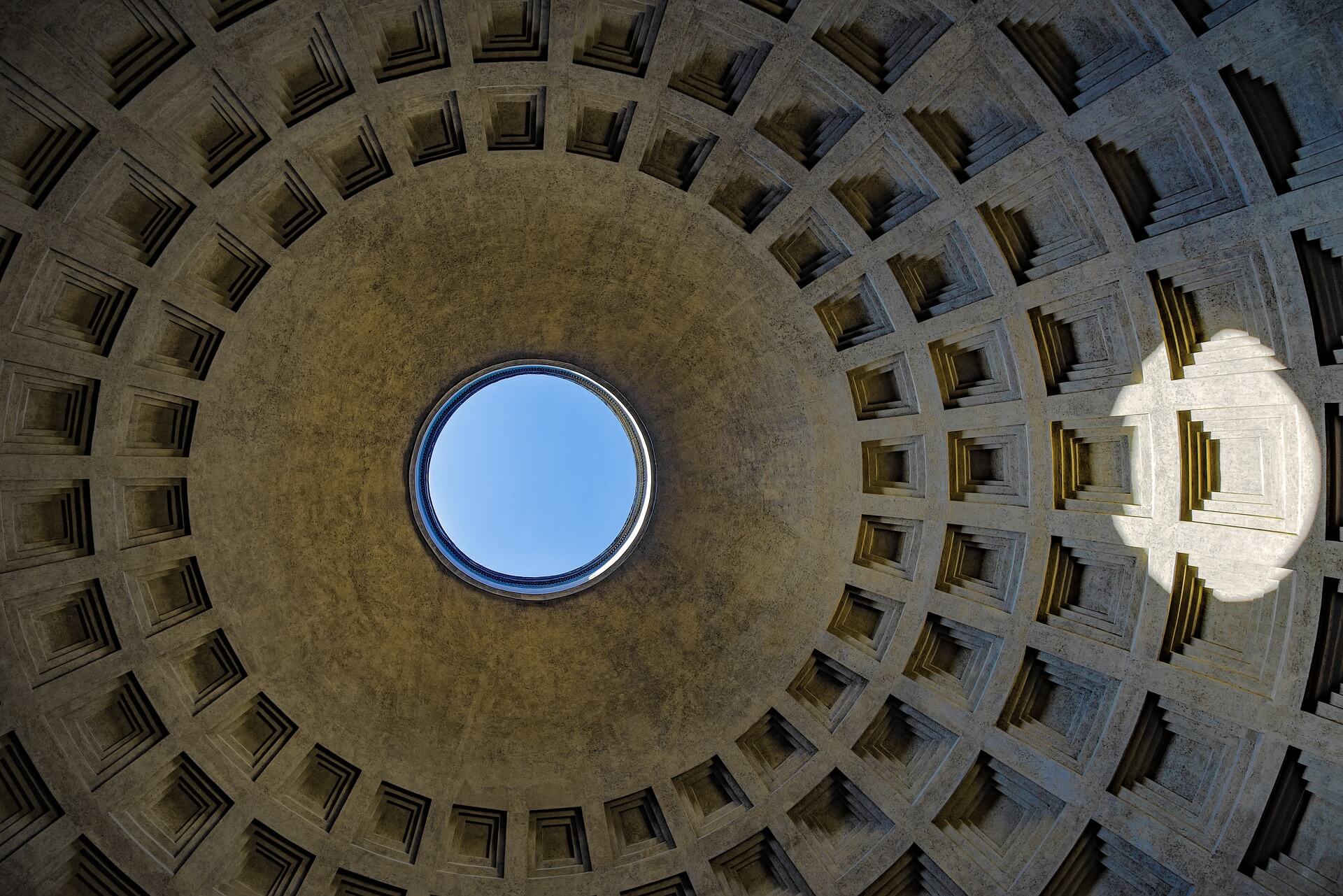
The oculus of the Pantheon shows how a single architectural gesture transforms an entire spatial experience. A reminder that one intentional move can completely reshape how architecture is felt and experienced.
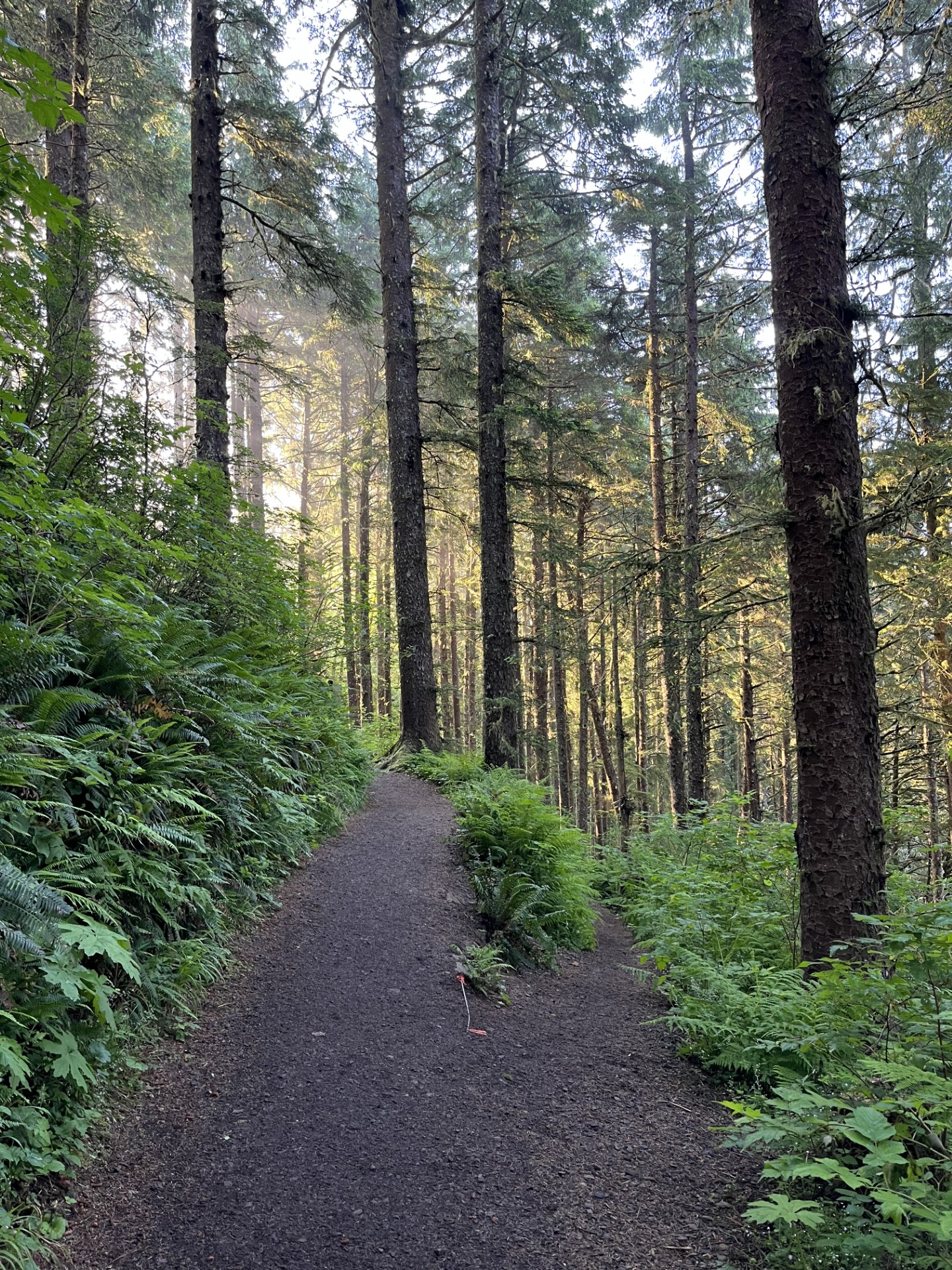
The forest canopy reveals how structure can mediate light without enclosing it—creating patterns that constantly shift with time, wind, and season. It’s a natural form of “architecture” where enclosure is porous and atmosphere emerges through layered thresholds rather than fixed boundaries. It inspires spatial systems that are responsive, filtered, and alive to change.
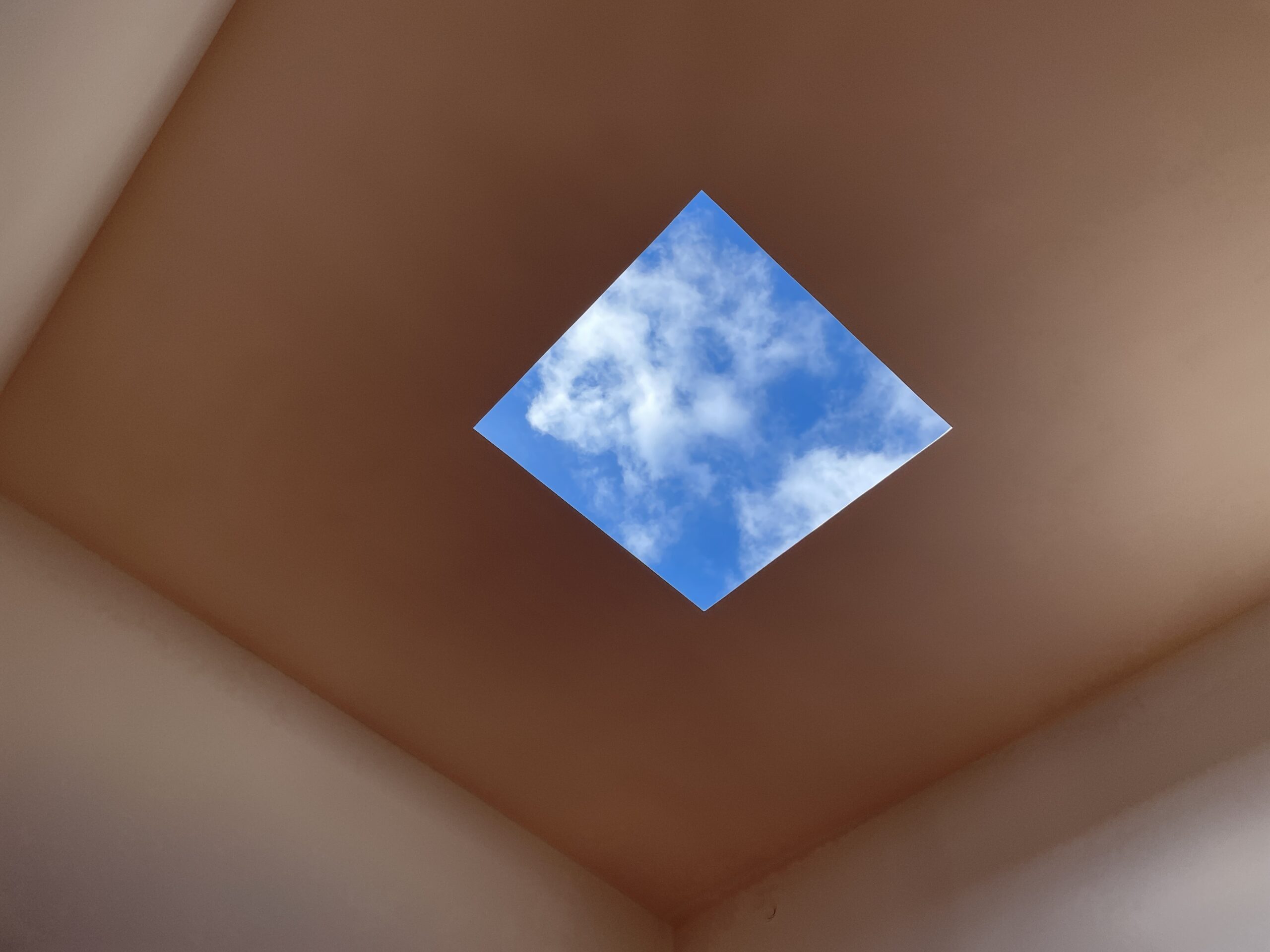
James Turrel Skyspace - shows how detailing lets the experience take over. Simple, precise edges frame the sky and quietly shape how light changes throughout the day. The restraint in the construction makes the atmosphere the focus, showing how detail can guide perception without calling attention to itself.